Introduction
A GNSS antenna’s structure and dielectric material influence its size, bandwidth, and RF performance. Ceramic dielectric and air dielectric designs serve different high-precision GNSS applications. Ceramic designs help fit antennas into UAVs and vehicles with limited installation space. Air dielectric designs are an option for RTK receivers and surveying equipment that require broad frequency coverage and reliable signal reception. Installation space, required frequency bands, and performance needs shape the final choice.
What Are Ceramic and Air Dielectric GNSS Antennas?
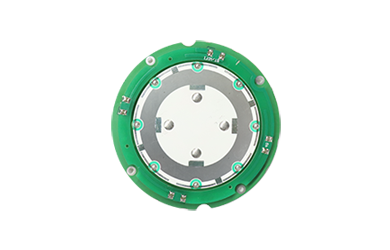
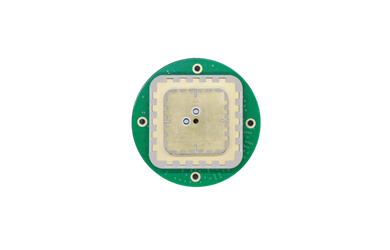
A ceramic dielectric GNSS antenna uses ceramic material in its radiating structure. Ceramic’s relatively high dielectric constant shortens the effective wavelength, helping reduce antenna size. This makes ceramic designs useful in devices with limited installation space.
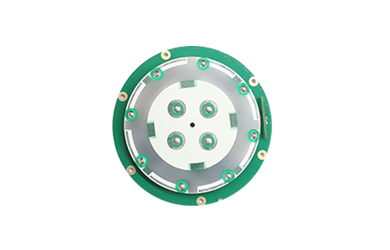
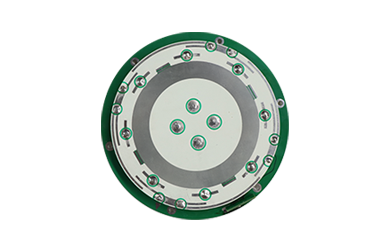
An air dielectric GNSS antenna uses air in part of the space between its radiating elements and ground plane. Air has a low dielectric constant and very low dielectric loss, giving designers flexibility when developing antennas with broad frequency coverage. Material choice alone does not determine a finished antenna’s size or performance. Feed design, ground plane, housing, and installation also play a role.
Key Differences in Antenna Performance
Ceramic designs favor compact integration. Air dielectric designs leave more space for a low-loss structure with broad frequency coverage.
| Factor | Ceramic dielectric design | Air dielectric design |
|---|---|---|
| Size | A higher dielectric constant helps make the radiating structure more compact. | A lower dielectric constant generally calls for a larger radiating structure. |
| Weight | A smaller structure saves space, but ceramic material has weight. | Air adds almost no weight; supports and housing contribute to finished antenna weight. |
| Operating bandwidth | Broad bandwidth is harder to achieve in a compact ceramic structure. | Provides more room to design for broad frequency coverage. |
| Dielectric loss | Depends on the ceramic material used. | Air contributes very little dielectric loss. |
| Radiation efficiency | Ceramic dielectric loss can reduce efficiency. | Lower dielectric loss can help improve efficiency. |
| Mechanical stability | Depends on secure mounting of the ceramic structure. | Depends on maintaining the designed spacing between components. |
| Design cost | Material selection and ceramic manufacturing affect cost. | Mechanical structure and assembly affect cost. |
These differences help with initial selection. Model specifications and performance after installation determine whether an antenna fits a particular device.
Which Antenna Design Is Right for Your Application?
Space, weight, frequency coverage, and reception requirements vary by device. In precision agriculture, an agricultural UAV and a ground-based RTK receiver may need different antenna designs.
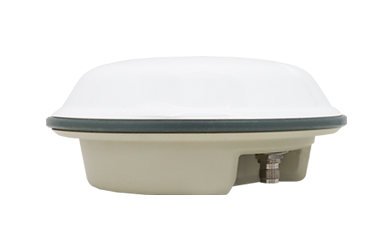
UAVs: ceramic dielectric antennas. UAV antennas must fit into limited space without adding excessive payload weight. Harxon’s HX-CU7001A and HX-CUX003A both have low-profile designs for UAV integration. HX-CUX003A supports additional GNSS signals and L-band correction services. Receiver signal requirements provide a starting point when choosing between these models.
Harxon HX-CUX003A UAV GNSS Antenna
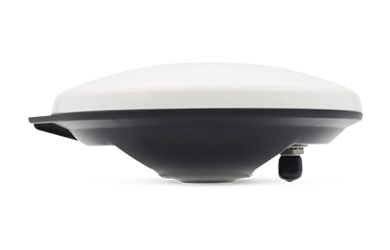
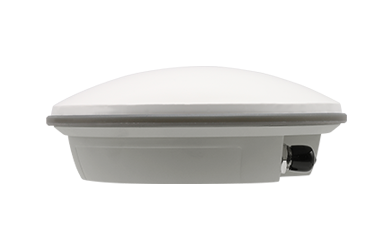
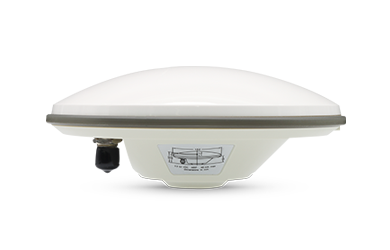
RTK receivers and surveying equipment: air dielectric antennas. Multi-frequency reception and reliable performance matter in field equipment. Harxon’s HX-SE407A, HX-SE408A, HX-SE409A, and HX-SE410A offer different integrated communication functions. HX-SE407A includes 4G; HX-SE408A includes Wi‑Fi and Bluetooth; HX-SE409A includes 4G with expandable Wi‑Fi; and HX-SE410A includes dual 4G and Wi‑Fi. Communication requirements help narrow the options when GNSS and wireless antennas share a device. View Harxon’s survey GNSS antenna range.
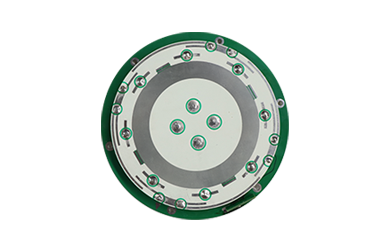
Harxon HX-SE410A Survey GNSS Antenna
Vehicles: ceramic dielectric antennas. Compact designs suit installations with limited space, while receiver frequency requirements guide the choice of configuration. DAML1L2ARWNO_YJ306-30V2.0_S195MM supports L1/L2 reception, DAML1L5CA2NO_P69MM supports GPS L1/L5 reception, and DAM1568A2NO_YJ72V2.0_P100MM receives GPS L1 and BeiDou B1 signals. Mounting space and required bands should be checked together when selecting a model.
Conclusion
Ceramic dielectric antennas support compact integration in UAVs and vehicles with limited space. Air dielectric antennas offer low dielectric loss and design flexibility for the broad frequency coverage needed in many RTK receivers and surveying instruments. A suitable antenna meets the device’s signal requirements and performs reliably in its final installation.
CTA
Choosing a GNSS antenna for a UAV, RTK receiver, surveying instrument, or vehicle? Contact Harxon with your required frequency bands, available installation space, and communication needs. Our team can help compare relevant models and find an antenna that fits your device.
FAQ
Are air dielectric GNSS antennas always more accurate than ceramic antennas?
No. Dielectric material alone does not determine positioning accuracy. Antenna design, receiver performance, installation, and signal conditions also affect the result.
Can a ceramic dielectric GNSS antenna support multiple frequency bands?
Yes. Ceramic antennas can support multi-band reception. Check the bands specified for each model rather than judging coverage by dielectric material.
Why should an antenna be evaluated after installation?
Mounting surfaces, enclosures, and nearby components can affect signal reception. Testing in the intended position helps confirm whether the antenna meets device performance requirements.