In modern telecommunications, financial networks, power grids, transportation systems, and critical infrastructure, precise timing synchronization is non-negotiable. From 5G base stations to data centers and smart grids, microsecond-level accuracy is now a fundamental operational requirement.
This demand has brought GNSS timing antennas, especially high-performance timing antennas, to the forefront of system design. Yet many organizations still ask the same question:
Are high-performance timing antennas truly worth the investment, or can standard GNSS antennas get the job done?
This article dives deep into what makes a timing antenna high-performance, how it affects system reliability, where it's indispensable, the cost-benefit structure, and why leading industries increasingly choose professional-grade solutions from trusted manufacturers such as Harxon.
What Makes a Timing Antenna ''High-Performance''?
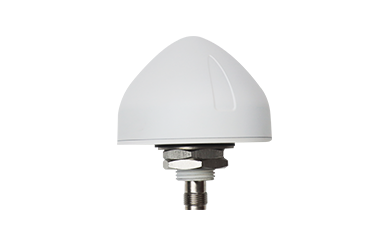
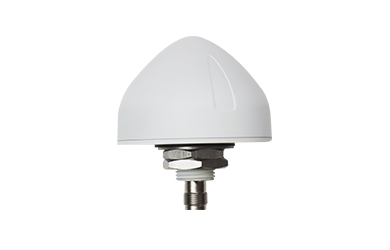
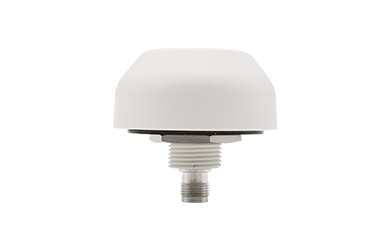
A high-performance timing antenna is not just a GNSS receiver accessory. It is a specialized antenna engineered to deliver:
-
Ultra-stable phase center
-
Exceptional signal filtering and noise rejection
-
Superior multipath mitigation
-
High gain and wide frequency support (GPS, GLONASS, Galileo, BeiDou, QZSS)
-
High immunity to interference and jamming
-
Stable performance in harsh environments
Unlike standard antennas designed primarily for position, timing antennas optimize the precision and stability of timing pulses (1PPS signals) required by synchronization systems.
These characteristics ensure a solid and redundant GNSS reference signal—critical for industries in which timing cannot drift.
Why Is GNSS Timing So Critical?
1. 5G and Telecom Networks
Advanced cellular networks depend on nanosecond-level synchronization for:
-
Carrier aggregation
-
Massive MIMO
-
Beamforming
-
Time-division duplexing (TDD)
Even tiny timing errors can degrade network throughput.
2. Power Grids and Substation Automation
Modern grids rely on GNSS timing for:
-
Fault detection
-
Wide-Area Monitoring (WAMS)
-
Phasor Measurement Units (PMUs)
-
Distributed energy control
Timing errors can result in instability, blackouts, or mis-synchronization.
3. Data Centers and Finance
High-frequency trading, blockchain networks, and data centers depend on timing precision for:
-
Coordinated transaction timestamps
-
Server synchronization
-
Event sequencing
Regulations such as MiFID II require microsecond accuracy.
4. Transportation and Critical Infrastructure
Rail networks, aviation systems, maritime monitoring, and emergency services rely on continuous, precise timing signals for safe operations.
In each case, a high-performance timing antenna is a direct contributor to system reliability and regulatory compliance.
How High-Performance Timing Antennas Improve System Stability
1. Enhanced Multipath Rejection
Multipath—reflected GNSS signals—is a leading cause of timing errors.
High-performance antennas use:
-
Choke-ring design
-
Ground plane enhancement
-
Integrated filters and LNA
These minimize distortions and maintain timing accuracy even in dense urban environments.
2. Superior Interference and Jamming Resistance
With rising RF noise from 5G, industrial equipment, and urban electronics, the antenna's ability to reject interference is directly tied to uptime.
High-performance models integrate:
-
SAW filters
-
High linearity LNAs
-
Anti-jamming front-end circuits
This ensures stable timing even in challenging RF conditions.
3. Better Phase Center Stability
Phase center variations directly impact timing precision.
A high-performance antenna provides:
-
Low PCV (Phase Center Variation)
-
Repeatable and stable phase response
This is essential for 5G base stations and financial data centers.
4. Multi-Constellation & Multi-Frequency Support
Modern timing requires not just GPS L1, but:
-
GPS L1/L2/L5
-
GLONASS L1/L2
-
Galileo E1/E5
-
BeiDou B1/B2
-
QZSS support
More satellites = higher availability and better timing quality.
High-performance timing antennas deliver this consistently.
Is a Standard GNSS Antenna Good Enough?
For non-critical applications—sometimes yes.
But standard GNSS antennas typically suffer from:
-
Higher phase center variation
-
Lower gain
-
Reduced multipath suppression
-
Susceptibility to interference
-
Limited frequency support
-
Reduced reliability in extreme environments
This can lead to:
-
Time drift
-
Network resynchronization events
-
System downtime
-
Higher maintenance and troubleshooting costs
In industries where timing is mission-critical, even a single outage outweighs the price difference between standard and high-performance antennas.
Where High-Performance Timing Antennas Add the Most Value
1. Telecom: 4G/5G Base Stations
High-performance timing antennas reduce timing drift, stabilize TDD networks, and prevent synchronization failures.
2. Power Utilities
Utilities use high-grade antennas to maintain:
-
Sub-microsecond PMU synchronization
-
Grid stability
-
Fault location accuracy
3. Defense & Government
Secure operations require reliable, interference-resistant timing, especially in hostile RF environments.
4. Smart Cities and IoT Infrastructure
Traffic control, smart lighting, and public safety systems depend on continuous timing availability.
5. Financial Sector
Trading systems can incur massive losses with even a microsecond timing discrepancy.
ROI Analysis: Are They Worth the Investment?
Reduced Downtime
One timing outage in a telecom network can cost significantly more than the price of a high-performance antenna.
Fewer On-Site Maintenance Visits
Stable antennas reduce the need for troubleshooting GNSS synchronization issues.
Higher Network Performance
Better timing stability improves:
-
Latency
-
Throughput
-
Reliability
This directly affects customer satisfaction in 5G deployments.
Regulatory Compliance
Industries such as power, finance, and telecom increasingly require certified timing accuracy, which high-performance antennas support more reliably.
Long-Term Durability
Premium timing antennas are designed for:
-
Harsh weather
-
High altitudes
-
Corrosive environments
-
Continuous 24/7 operation
Replacing cheap antennas frequently ultimately costs more.
In short: yes, high-performance timing antennas are absolutely worth the investment for mission-critical applications.
Why Many Industries Choose Harxon Timing Antennas
As a globally recognized brand in high-precision GNSS antennas, Harxon has built a strong reputation among telecom operators, utilities, and infrastructure developers.
Harxon's high-performance timing antennas are known for:
-
Multi-frequency, multi-constellation support
-
Ultra-stable phase center
-
Strong anti-interference capabilities
-
Rugged designs suitable for harsh environments
-
Superior filtering and low-noise amplification
-
Long-term operational reliability
Companies seeking dependable synchronization solutions often select Harxon because its antennas consistently deliver high availability, precise timing, and robust performance across all critical environments.
Conclusion: Are High-Performance Timing Antennas Worth It?
If your operations rely on precision timing, then yes—high-performance timing antennas are unquestionably worth the investment.
They deliver:
-
Greater timing accuracy
-
Superior multipath suppression
-
Better interference resistance
-
Higher network uptime
-
Long-term reliability
-
Lower lifetime operating cost
For industries such as telecom, 5G, power utilities, data centers, and critical infrastructure, a standard GNSS antenna simply cannot match the stability and assurance provided by a high-performance model.
Manufacturers like Harxon have proven that investing in premium timing antennas results in improved system performance, reduced operational risks, and significant long-term savings.
If your organization depends on stable timing, the decision is clear: high-performance timing antennas are not just beneficial—they are essential.