
In the field of modern positioning and navigation, the helix antenna has become a widely adopted solution due to its ability to deliver circular polarization, high gain, and strong signal stability. While helix antennas are often mentioned in relation to GPS, their real strength lies in multi-constellation GNSS positioning and applications such as UAVs, precision agriculture, and surveying. In addition, they are also found in some specialized satellite communication scenarios, such as small satellites and scientific missions.
This article explores the top applications of helix antennas, highlighting their role in GPS, GNSS, UAVs, and niche satellite communications, and why they continue to be a preferred choice for industries requiring reliable signal reception.
What is a Helix Antenna?
A helix antenna is a radio antenna featuring a spiral conductor wound around a central axis, usually placed above a ground plane. It operates in two primary modes:
- Normal mode – the antenna radiates broadside, suitable for low-frequency or short-range applications.
- Axial mode – the antenna radiates along its axis, producing a circularly polarized wave with high directivity, ideal for GNSS and satellite applications.
The ability to generate circular polarization is what makes helix antennas effective in environments where the transmitter and receiver orientations are not aligned—such as satellites orbiting Earth or UAVs in motion.
Helix Antennas in GPS and GNSS Applications
One of the most prominent uses of helix antennas is in GNSS (Global Navigation Satellite Systems), which includes GPS (United States), Galileo (Europe), GLONASS (Russia), BeiDou (China), and QZSS (Japan).
GPS Applications
GPS remains the most familiar GNSS constellation, and helix antennas are critical in ensuring reliable GPS reception for:
- Automotive navigation systems
- Handheld GPS devices
- Consumer electronics
Because GPS signals travel thousands of kilometers from orbit, they are extremely weak upon reaching Earth. A high-gain helix antenna can effectively capture these signals, offering:
- Enhanced reception in urban canyons or obstructed areas
- Circular polarization to reduce multipath interference
- Stable operation across broad frequency ranges
GNSS Applications
Modern industries rely on multi-constellation and multi-frequency GNSS solutions for centimeter-level accuracy. Helix antennas are particularly suited for:
- Surveying and geospatial mapping
- Precision agriculture
- Autonomous vehicles and robotics
- Aviation and maritime navigation
- Key benefits include:
- Multi-frequency compatibility (L1, L2, L5, etc.)
- High phase center stability, ensuring consistent accuracy
- Excellent performance in demanding outdoor environments
By supporting multiple constellations and frequencies, helix antennas deliver the high precision required for today’s navigation and positioning systems.
Helix Antennas in UAV and Integrated Solutions
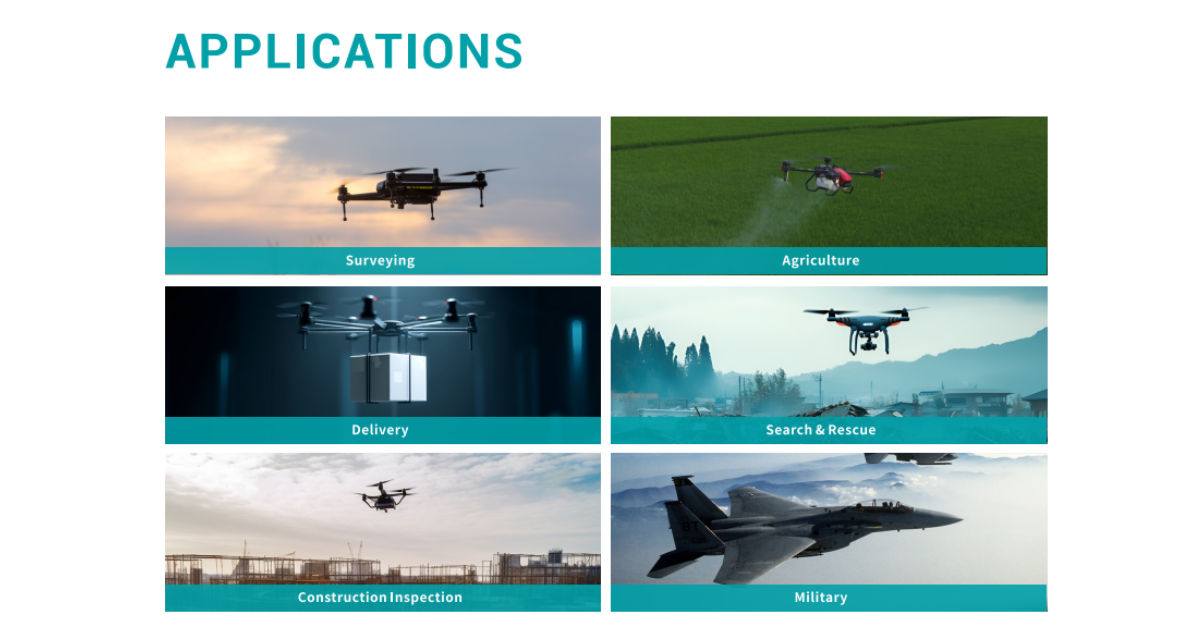
One of the fastest-growing application areas for helix antennas is Unmanned Aerial Vehicles (UAVs). Reliable GNSS positioning is critical for UAV mapping, surveying, and delivery applications. Helix antennas provide:
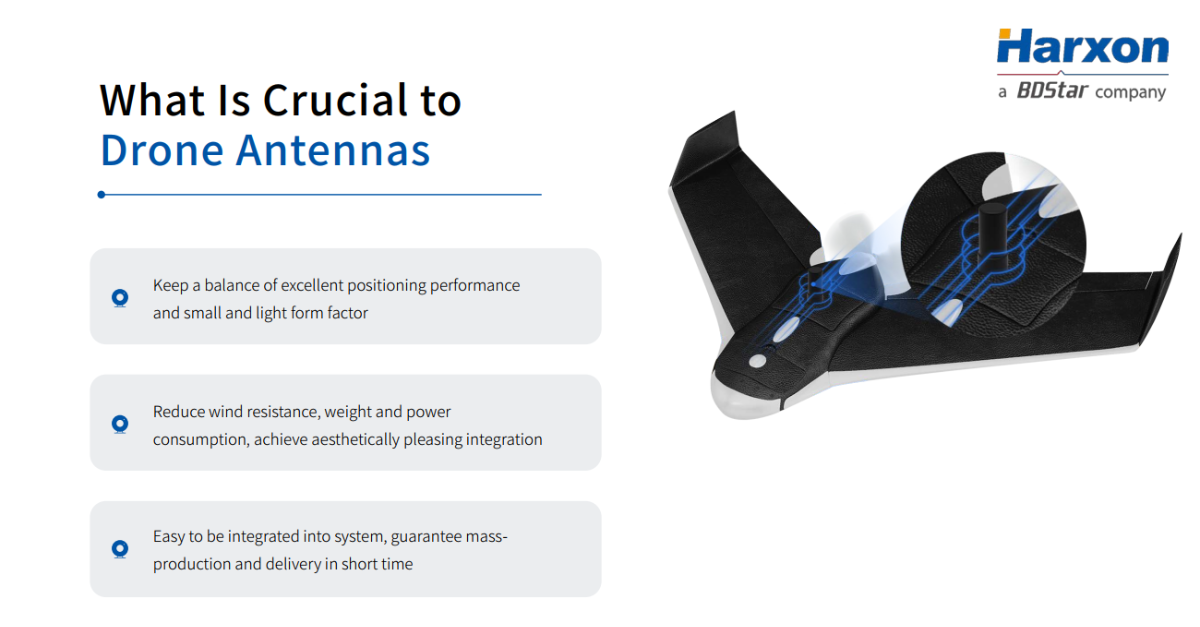
- Lightweight and compact form factors ideal for drones
- Stable, high-gain GNSS reception during flight
- Reduced multipath interference for improved accuracy
- Beyond stand-alone GNSS helix antennas, industry demand has expanded toward integrated antenna solutions, such as:
- Helix Antenna (GNSS only) – optimized for precise GNSS positioning.
- Helix Antenna (GNSS + 4G / Wi-Fi / Bluetooth) – enabling both navigation and data communication in UAVs and IoT devices.
- Smart Antennas (Antenna + Module) – combining the antenna with a GNSS receiver module for easier integration and improved performance.
- These innovations make helix antennas not only essential for UAV navigation but also central to the broader ecosystem of smart devices.
Helix Antennas in Satellite Communication (Specialized Applications)
While helix antennas are primarily used in GNSS positioning, they also have a role in specialized satellite communication systems. In axial mode, helix antennas provide:
- High directivity for long-distance links
- Low cross-polarization losses, improving signal clarity
- Compact design, suitable for small satellites and ground terminals
For CubeSats, Earth observation missions, and deep-space communication, miniaturized helix antennas strike the right balance between size and performance. However, it is important to note that compared with GNSS applications, satellite communication use cases are more limited and mission-specific.
Why Industries Prefer Helix Antennas
- Several technical advantages make helix antennas the preferred choice for GNSS and UAV applications:
- Circular polarization minimizes orientation sensitivity and multipath errors
- Broad bandwidth supports multi-frequency GNSS systems
- Compact and lightweight design enables easy integration into UAVs and mobile platforms
- High phase center stability ensures centimeter-level positioning accuracy
- Durable performance even in challenging outdoor or high-vibration environments
These qualities explain why helix antennas continue to be widely adopted for mission-critical navigation and positioning systems.
Helix Antenna Solutions at Harxon
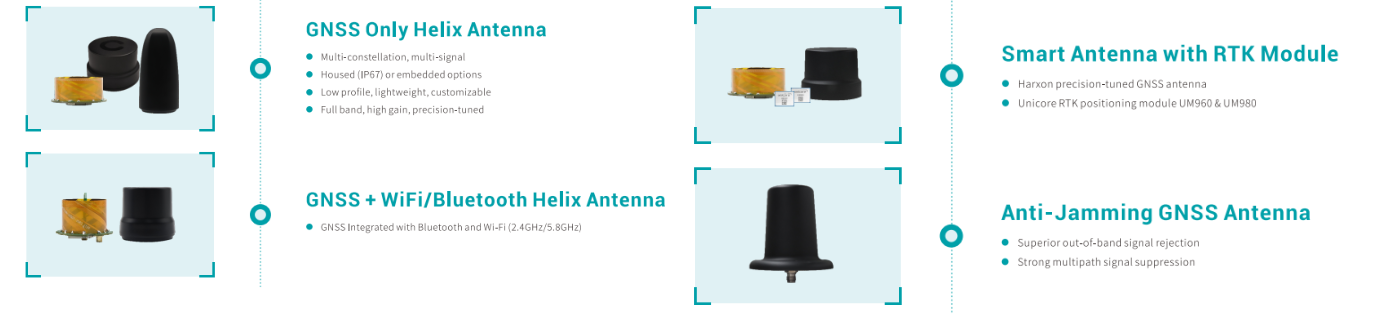
At Harxon, we specialize in designing and manufacturing high-performance helix antennas tailored to the needs of GNSS and UAV industries. Our portfolio includes:
- Multi-frequency GNSS helix antennas with superior signal reception
- Helix antennas with integrated 4G/Wi-Fi/Bluetooth modules for UAVs and smart devices
- Smart antennas (antenna + GNSS module) that deliver turnkey solutions for precision agriculture, surveying, and autonomous applications
By combining accuracy, durability, and integration flexibility, Harxon solutions ensure that partners achieve reliable positioning and communication performance in any environment.
Conclusion
The helix antenna is a proven technology that underpins today's most demanding GNSS and UAV applications. While GPS is the most widely recognized system, the true value of helix antennas lies in multi-constellation GNSS positioning, where centimeter-level accuracy and reliable reception are critical.
Beyond navigation, helix antennas are increasingly integrated into UAVs, smart devices, and specialized satellite missions, where compact size and strong performance are essential.
As industries continue to push the boundaries of precision, Harxon remains committed to delivering advanced helix antenna solutions that support the future of positioning, navigation, and connectivity.


